Demystifying Mental Health Basics: A Gentle Guide to Understanding and Healing

When I first started exploring the world of mental wellness, it felt like stepping into a dense forest without a map. The terms, the feelings, the experiences - all swirling around in a confusing dance. But over time, I’ve come to realize that mental health is not some mysterious, unreachable concept. It’s something deeply human, something we all carry with us like a garden that needs tending. Today, I want to walk with you through this garden, sharing what I’ve learned about mental health basics, so we can nurture our well-being together.
Understanding Mental Health Basics: The Foundation of Well-Being
Mental health is often misunderstood as just the absence of illness, but it’s so much more than that. It’s the foundation of how we think, feel, and connect with others. Imagine it as the soil in which the seeds of our emotions, thoughts, and behaviors grow. When the soil is rich and cared for, those seeds flourish into vibrant plants. When neglected, the garden struggles.
Taking care of mental health means paying attention to our emotional needs, managing stress, and seeking support when life’s storms hit. It’s about recognizing that healing is a journey, not a destination. For those of us touched by trauma or addiction, this journey can feel especially winding, but it’s also filled with moments of growth and hope.
Here are some simple ways to nurture your mental garden:
Practice mindfulness: Take a few minutes each day to breathe deeply and be present.
Connect with others: Share your feelings with trusted friends or support groups.
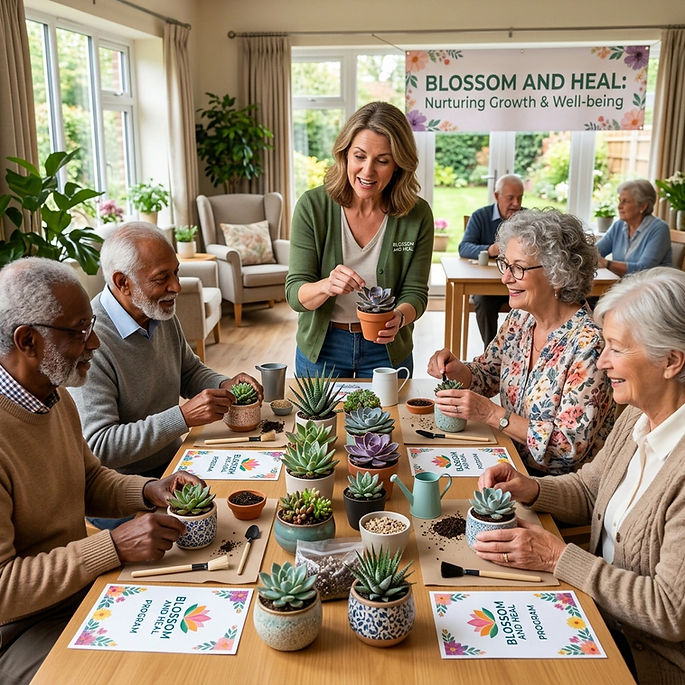
Engage in plant-based activities: Gardening or spending time in nature can soothe the mind.
Seek professional help: Therapists and counselors can guide you through tough times.

What is Mental Health in Simple Terms?
If I had to explain mental health in the simplest way, I’d say it’s how we take care of our minds and emotions, just like we care for our bodies. It’s about feeling balanced enough to enjoy life, handle challenges, and build meaningful relationships.
Think of mental health as the weather inside your mind. Some days are sunny and bright, others cloudy or stormy. And just like we prepare for weather changes by wearing a jacket or carrying an umbrella, we can prepare for emotional ups and downs by developing healthy habits and support systems.
When mental health is strong, we can:
Cope with everyday stresses without feeling overwhelmed.
Bounce back from setbacks with resilience.
Maintain fulfilling relationships.
Feel hopeful about the future.
But when it’s fragile, even small challenges can feel like heavy storms. That’s why understanding and caring for mental health is so important.
The Role of Trauma and Addiction in Mental Wellness
Trauma and addiction often leave deep marks on our mental landscape. Trauma can be like a sudden wildfire, disrupting the calm and safety we once knew. Addiction might feel like a thick fog, clouding our judgment and making it hard to see a clear path forward.
Healing from these experiences requires patience and compassion. It’s not about rushing to “fix” things but about gently clearing the debris and planting new seeds of hope.
Here are some ways to support healing:
Create safe spaces: Surround yourself with people and environments where you feel secure.
Use creative outlets: Art, music, and gardening can help express feelings that are hard to put into words.
Build routines: Consistent daily habits can provide stability and comfort.
Practice self-compassion: Remind yourself that healing is a process, and it’s okay to take small steps.
Remember, you are not alone in this. Many have walked this path and found light on the other side.

How Plant-Based Activities Can Foster Mental Wellness
One of the most beautiful discoveries I’ve made is how plant-based activities can nurture mental health. There’s something deeply soothing about digging your hands into the earth, watching seeds sprout, and witnessing the slow, steady growth of life.
Gardening and similar activities offer:
Mindful engagement: Focusing on plants helps quiet racing thoughts.
Physical activity: Moving your body outdoors boosts mood and energy.
Connection to nature: Being in green spaces reduces stress and anxiety.
Sense of accomplishment: Watching plants grow fosters pride and hope.
Even if you don’t have a garden, caring for a small indoor plant or joining a community garden can bring these benefits. It’s a gentle reminder that growth takes time, and every small effort counts.
Building a Supportive Community for Mental Wellness
Healing is rarely a solo journey. The warmth of a supportive community can be like sunlight to our mental garden, encouraging growth and resilience. Finding or creating spaces where you feel understood and accepted is vital.
Here are some ways to build or find your community:
Join support groups: Look for groups focused on trauma recovery or addiction healing.
Attend workshops: Many organizations offer classes on mindfulness, art therapy, or gardening.
Volunteer: Helping others can create meaningful connections and boost your sense of purpose.
Reach out online: Safe online forums can provide connection when in-person options are limited.
At Blossom and Heal, the goal is to create these safe spaces where people can find peace and purpose through plant-based activities and supportive connections. Together, we can cultivate a garden of healing that grows stronger with every shared story and gentle word.
If you’re curious to learn more about mental health in a nutshell, I encourage you to explore resources that speak to your heart and meet you where you are. Remember, every step you take toward understanding and caring for your mental health is a step toward blossoming into your fullest self. Let’s nurture this garden together, one seed at a time.


Comments