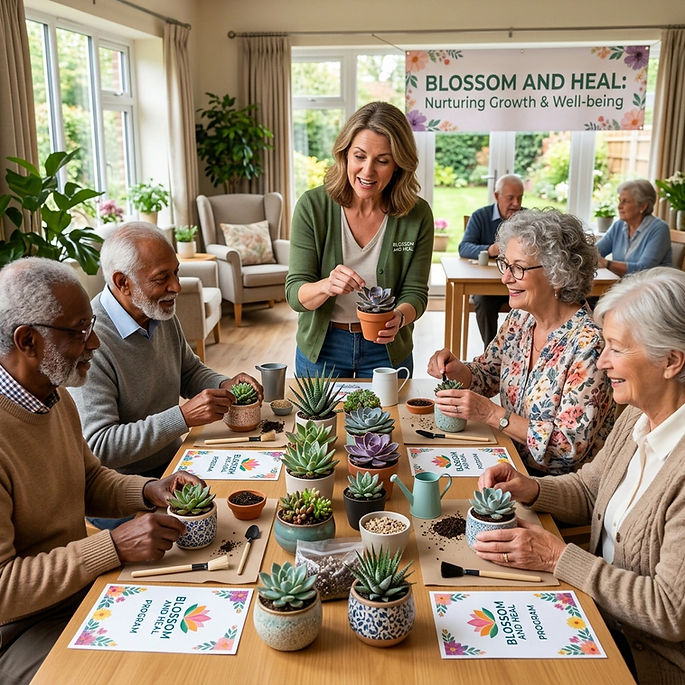
Cultivate Wellness Through Gardening: Embracing Gardening Therapy Benefits

There is something deeply soothing about sinking your hands into the earth, feeling the cool soil crumble between your fingers, and watching tiny green shoots emerge from the ground. Gardening is more than just a hobby or a way to beautify a space—it is a gentle, nurturing path toward healing and wellness. For those of us seeking peace and purpose, especially after facing trauma or addiction, gardening offers a quiet sanctuary where growth happens both outside and within.
Discovering the Gardening Therapy Benefits
Gardening therapy benefits extend far beyond the physical act of planting seeds and tending to flowers. It is a holistic experience that nurtures the mind, body, and spirit. When I first started gardening, I was surprised by how much it helped me feel grounded and connected. The rhythm of watering, pruning, and watching life unfold in the garden became a metaphor for my own healing journey.
Some of the key benefits include:
Stress Reduction: The repetitive, mindful tasks in gardening help calm the nervous system. The gentle sounds of rustling leaves and birdsong create a peaceful backdrop that invites relaxation.
Improved Mood: Exposure to sunlight boosts serotonin levels, lifting spirits naturally. The vibrant colors and fragrant blooms stimulate the senses and bring joy.
Physical Activity: Gardening encourages gentle movement, which supports overall health without overwhelming the body.
Sense of Accomplishment: Watching plants grow from fragile seedlings to flourishing greenery fosters confidence and pride.
Connection to Nature: Being outdoors and observing natural cycles reminds us of life’s resilience and beauty.
These benefits combine to create a nurturing environment where healing can take root and flourish.

How Gardening Supports Emotional Healing
When life feels heavy, gardening offers a soft place to land. The garden becomes a living journal where emotions can be expressed without words. I’ve found that tending to plants helps me process feelings gently and patiently. Each seed planted is like a small act of hope, a promise that growth is possible even after hardship.
Here are some ways gardening supports emotional healing:
Mindfulness Practice: Focusing on the present moment while gardening helps quiet anxious thoughts and reduces rumination.
Routine and Structure: Establishing a daily or weekly gardening routine provides stability and a sense of purpose.
Creative Expression: Designing garden layouts or choosing plants allows for personal creativity and self-expression.
Safe Space for Reflection: The garden offers privacy and calm, a place to sit quietly and reflect without distractions.
Building Patience: Watching plants grow slowly teaches patience and acceptance of life’s natural pace.
For those recovering from trauma or addiction, these gentle lessons can be profoundly restorative. Gardening invites us to nurture ourselves as tenderly as we nurture the plants.
Practical Tips to Start Your Healing Garden
Starting a garden might feel overwhelming at first, but it doesn’t have to be complicated. Even a small container garden on a windowsill can bring the benefits of gardening therapy into your life. Here are some simple steps to get started:
Choose Your Space: Find a spot that feels inviting—whether it’s a backyard, balcony, or sunny corner indoors.
Select Easy-to-Grow Plants: Start with hardy plants like herbs (basil, mint), succulents, or wildflowers that require minimal care.
Gather Basic Tools: A small trowel, watering can, and gloves are enough to begin.
Set Realistic Goals: Aim to spend a few minutes each day or a couple of times a week tending your garden.
Create a Routine: Water plants in the morning or evening, and check on them regularly.
Celebrate Small Wins: Notice and appreciate every new leaf, bud, or bloom.
Remember, gardening is a journey, not a race. The goal is to cultivate wellness gently and joyfully.

Embracing Gardening for Mental Health
One of the most powerful aspects of gardening is its ability to support mental wellness. Research shows that gardening for mental health can reduce symptoms of depression and anxiety, improve mood, and enhance overall quality of life. The act of caring for living things fosters empathy and connection, which are essential for emotional recovery.
In my own experience, gardening became a form of therapy that complemented other healing practices. It offered a quiet, non-judgmental space where I could reconnect with myself and the world around me. The sensory experiences—the smell of fresh earth, the texture of leaves, the warmth of sunlight—helped ground me in moments of overwhelm.
If you’re looking for a gentle way to support your mental health, consider inviting gardening into your life. It’s a nurturing practice that meets you where you are and grows with you.
Growing Community and Connection Through Gardening
Healing is often a shared journey, and gardening can be a beautiful way to build community. Whether through local gardening groups, community gardens, or online forums, connecting with others who share your love of plants can deepen your sense of belonging.
Here are some ways to cultivate connection through gardening:
Join a Community Garden: These spaces offer opportunities to work alongside others, share knowledge, and celebrate growth together.
Attend Workshops or Classes: Learning new gardening skills in a supportive environment can boost confidence and expand your social circle.
Share Your Harvest: Giving homegrown herbs, vegetables, or flowers to neighbors or friends spreads joy and kindness.
Create a Garden Journal: Exchange notes, photos, and stories with fellow gardeners to inspire and encourage one another.
Volunteer: Helping maintain public gardens or green spaces can foster purpose and connection.
At Blossom and Heal, we believe that gardening is not just about plants—it’s about people. By nurturing the earth, we nurture each other.
Gardening invites us to slow down, breathe deeply, and find peace in the simple act of growth. It is a gentle reminder that healing is possible, one seed at a time. Whether you have a sprawling backyard or a sunny windowsill, the garden you cultivate can become a sanctuary of wellness and hope.
So, let’s dig in together, plant with intention, and watch as our spirits bloom alongside the flowers.


Comments