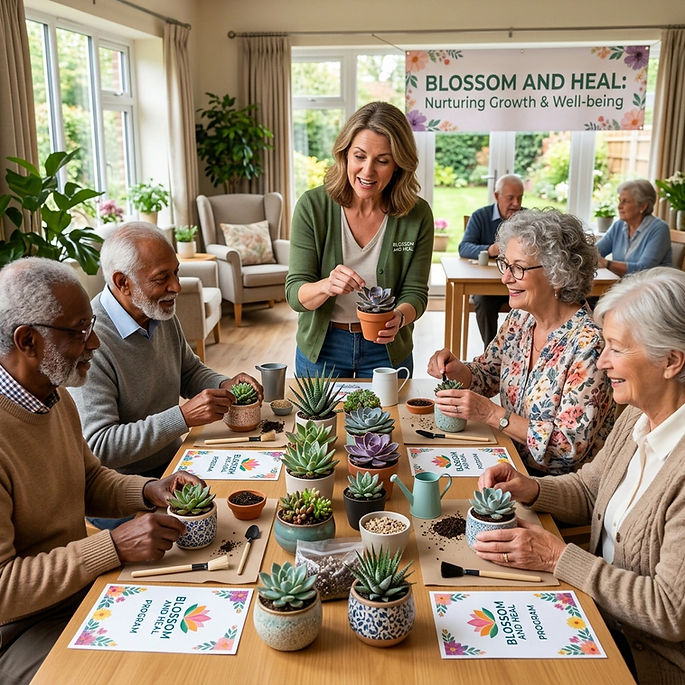
Embracing Gardening Therapy Benefits: A Gentle Path to Mental Wellness

There is something quietly magical about sinking your hands into the earth, feeling the cool soil crumble between your fingers, and watching a tiny seedling stretch toward the sun. Gardening is more than just a hobby or a way to beautify our surroundings. It is a nurturing act that can soothe the mind, heal the heart, and restore a sense of balance when life feels overwhelming. In my own journey, I have found that gardening therapy benefits extend far beyond the garden bed, offering a gentle refuge and a hopeful path toward mental wellness.
The Healing Power of Nature and Gardening Therapy Benefits
When we step outside and connect with nature, our bodies and minds respond in ways that science is only beginning to understand. Gardening therapy benefits are rooted in this deep connection. The rhythmic tasks of planting, watering, and tending to plants invite mindfulness and presence. These simple acts can calm racing thoughts and ease anxiety.
For example, the repetitive motion of pruning a rose bush or the careful placement of seeds in neat rows can create a soothing routine. This routine offers a sense of control and accomplishment, especially when other parts of life feel uncertain. The sensory experience of gardening - the scent of fresh earth, the vibrant colors of flowers, the gentle rustle of leaves - engages our senses and grounds us in the present moment.

How Gardening Therapy Benefits Support Emotional Well-being
Gardening therapy benefits are not just about relaxation; they also foster emotional resilience. When we care for plants, we practice patience and compassion, qualities that naturally extend to how we treat ourselves. Watching a plant grow from a fragile sprout to a flourishing bloom mirrors our own potential for growth and healing.
In times of stress or trauma, gardening can serve as a gentle reminder that life continues to evolve, even after hardship. The garden becomes a safe space where emotions can be expressed and processed without judgment. For instance, tending to a garden can help release feelings of sadness or frustration, transforming them into nurturing energy.
Moreover, the act of nurturing living things can boost self-esteem. Each new leaf or flower is a small victory, a visible sign of care and effort paying off. This can be especially meaningful for those recovering from addiction or trauma, as it reinforces a sense of purpose and hope.
Creating Your Own Healing Garden Space
Starting a garden for mental wellness does not require a large yard or expensive tools. Even a small windowsill with pots of herbs or flowers can become a sanctuary. Here are some practical steps to create your own healing garden space:
Choose plants that resonate with you - Whether it’s fragrant lavender, cheerful sunflowers, or easy-to-care-for succulents, pick plants that bring you joy.
Set aside regular time - Consistency helps build a calming routine. Even 10-15 minutes a day can make a difference.
Engage your senses - Touch the leaves, smell the blossoms, listen to the sounds around your garden. This sensory connection deepens the calming effect.
Celebrate small successes - Notice and appreciate every new bud or leaf. These moments are reminders of growth and healing.
Invite community - Gardening can be a shared experience. Connecting with others who enjoy gardening can provide support and encouragement.

Gardening for Mental Health: A Path to Recovery and Renewal
For those navigating recovery or healing from trauma, gardening offers a unique form of therapy. It is a non-verbal, gentle way to reconnect with life and oneself. The phrase gardening for mental health captures this beautifully - it is about more than just plants; it is about cultivating hope, resilience, and peace.
In my experience, gardening has been a quiet companion through difficult days. It has taught me patience when progress feels slow and gratitude for small joys. It has reminded me that healing is a process, much like tending a garden - sometimes messy, sometimes slow, but always worth the effort.
Nurturing Growth: How Gardening Builds Mindfulness and Presence
One of the most profound gardening therapy benefits is its ability to cultivate mindfulness. When we garden, we are invited to slow down and fully engage with the moment. This presence can be a balm for those whose minds are often caught in cycles of worry or pain.
Mindfulness in gardening might look like:
Feeling the texture of soil as you plant seeds.
Noticing the way sunlight filters through leaves.
Listening to the gentle hum of bees visiting flowers.
These moments of awareness help break the cycle of negative thoughts and bring a sense of calm. Over time, this practice can strengthen emotional regulation and reduce symptoms of depression and anxiety.
Gardening is more than a pastime; it is a nurturing journey that invites us to heal alongside the plants we tend. Whether you have a sprawling garden or a single pot on your windowsill, the act of caring for living things can open doors to peace, purpose, and renewal. I encourage you to explore the gentle, hopeful world of gardening therapy benefits and discover how it might support your own path to mental wellness.


Comments