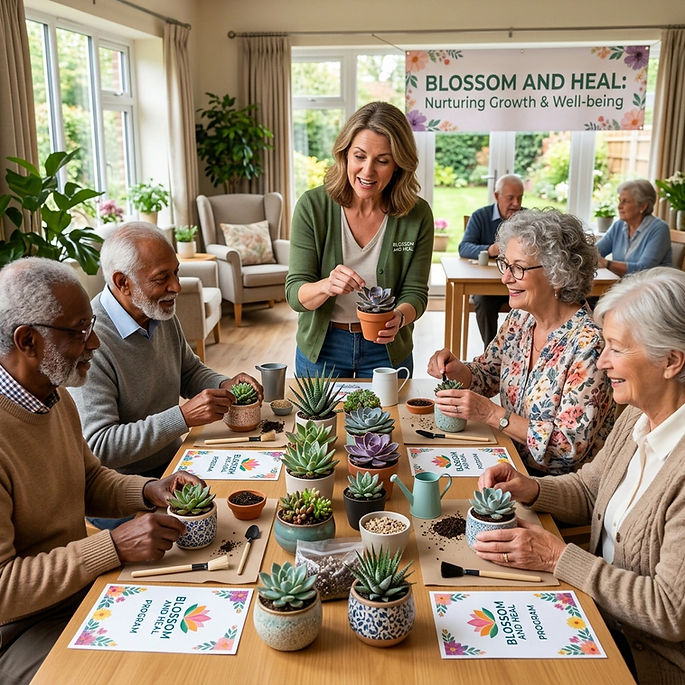
Cultivate Wellness Through Gardening: Embracing Gardening Therapy Benefits

There is something deeply soothing about sinking your hands into the earth, feeling the cool soil crumble between your fingers, and watching tiny green shoots emerge from the ground. Gardening is more than just a hobby or a way to beautify a space—it is a gentle, nurturing path toward healing and wellness. As someone who has found solace in the quiet rhythms of planting and tending, I want to share how gardening therapy benefits us in profound ways. Together, we can explore how cultivating a garden can also cultivate peace, hope, and resilience within ourselves.
The Healing Power of Gardening Therapy Benefits
Gardening therapy benefits go far beyond the physical act of growing plants. It is a holistic experience that touches the mind, body, and spirit. When we engage with nature, we reconnect with a natural cycle of growth and renewal. This connection can be especially powerful for those who have faced trauma or are navigating recovery. The garden becomes a safe space where we can nurture life and, in turn, nurture ourselves.
Some of the key gardening therapy benefits include:
Stress reduction: The repetitive, mindful actions of planting, watering, and weeding help calm the nervous system.
Improved mood: Exposure to sunlight and fresh air boosts serotonin levels, lifting spirits naturally.
Sense of purpose: Caring for living things fosters responsibility and accomplishment.
Physical activity: Gardening encourages gentle movement, which supports overall health.
Mindfulness and presence: Focusing on the garden invites us to slow down and be present in the moment.
By embracing these benefits, gardening becomes a form of self-care that gently supports mental wellness and emotional balance.

How Gardening Connects Us to Ourselves and the World
When I first started gardening, I was surprised by how much it helped me feel grounded. There is a unique magic in watching a seed transform into a vibrant plant. It reminds me that growth takes time, patience, and care—qualities we often forget to extend to ourselves. Gardening invites us to slow down and witness the miracle of life unfolding right before our eyes.
This connection to nature also helps us feel less isolated. The garden is a living community where every plant, insect, and drop of rain plays a role. In this way, gardening mirrors our own need for connection and belonging. It encourages us to nurture not only the plants but also our relationships and inner selves.
For those seeking healing, gardening can be a gentle teacher. It shows us that even after harsh winters or storms, new life can emerge. This metaphor of resilience is a powerful reminder that healing is possible, even when the path feels uncertain.
Practical Ways to Start Your Healing Garden
Starting a garden might feel overwhelming at first, but it doesn’t have to be complicated. Whether you have a large backyard or just a sunny windowsill, there are simple ways to bring the healing power of plants into your life.
Here are some practical steps to begin:
Choose your space: Find a spot that feels inviting and accessible. It could be a patch of earth, a container on a balcony, or even a small indoor planter.
Select easy-to-grow plants: Start with herbs like basil or mint, or flowers like marigolds and sunflowers. These plants are forgiving and rewarding.
Gather your tools: Basic gardening tools like gloves, a trowel, and watering can make the process easier and more enjoyable.
Set a routine: Dedicate a few minutes each day to tend your garden. This regular practice can become a calming ritual.
Observe and reflect: Take time to notice changes in your plants and in yourself. Journaling your experiences can deepen your connection.
Remember, your garden is a personal sanctuary. There is no right or wrong way to create it. The most important thing is to approach it with kindness and curiosity.

Embracing Gardening for Mental Health
One of the most profound ways gardening supports wellness is through its impact on mental health. Studies have shown that spending time in nature and engaging in gardening activities can reduce symptoms of anxiety, depression, and PTSD. The act of nurturing plants provides a sense of control and accomplishment, which can be especially healing for those recovering from trauma or addiction.
If you want to explore this further, I encourage you to learn more about gardening for mental health. This approach integrates therapeutic techniques with gardening practices to create safe, supportive environments for healing.
In my own experience, gardening has been a gentle companion through difficult times. It offers a quiet space to process emotions, find hope, and rebuild strength. The garden becomes a mirror reflecting our own growth and resilience.
Creating a Community of Growth and Support
Healing through gardening is not just an individual journey—it can also be a shared experience. Community gardens and group gardening projects provide opportunities to connect with others who are seeking wellness and purpose. These spaces foster a sense of belonging and mutual support, which are vital for recovery and healing.
At Blossom and Heal, the goal is to expand these safe spaces where people can come together, share their stories, and find peace through plant-based activities. Whether you join a local garden group or start one yourself, the power of community can amplify the benefits of gardening therapy.
Here are some ways to get involved or create your own supportive garden community:
Volunteer at a community garden or urban farm.
Organize garden meet-ups or workshops focused on wellness.
Share seeds, plants, and gardening tips with neighbors.
Use gardening as a way to connect with friends and family.
Together, we can cultivate not only plants but also hope, healing, and connection.
Nurturing Your Garden, Nurturing Yourself
As you continue on your gardening journey, remember to be gentle with yourself. Just like plants, we all need time, patience, and care to grow. Celebrate the small victories—the first sprout, a new bloom, a quiet moment of peace. These are the signs of healing taking root.
Gardening invites us to slow down, breathe deeply, and reconnect with the simple joys of life. It reminds us that even in the darkest soil, life can flourish. By cultivating a garden, we cultivate wellness—one seed, one day, one moment at a time.
May your garden be a sanctuary of calm and a source of strength. May it inspire you to blossom and heal in your own beautiful way.


Comments