Healing from Trauma: Embracing Strategies for Peace

Updated: Feb 10
Embracing Healing Strategies and Support That Feel Right
When trauma touches our lives, it can leave us feeling lost or overwhelmed. The first step toward healing is often about finding what feels safe and supportive for you. Healing is not a race or a checklist; it’s a personal journey that unfolds in its own time.
Here are some healing strategies and support options that can gently guide you:
Mindful Breathing and Grounding: When anxiety or painful memories arise, slowing down your breath can anchor you in the present moment. Try inhaling deeply through your nose for a count of four, holding for four, then exhaling slowly through your mouth for six. This simple rhythm can calm your nervous system and remind you that you are here, now, safe.
Creative Expression: Painting, journaling, or even gardening can be powerful ways to express feelings that words sometimes can’t capture. These activities invite your inner world to surface gently, like soft ripples on a quiet pond.
Seeking Connection: Healing often blossoms in community. Whether it’s a trusted friend, a support group, or a therapist, sharing your story and listening to others can create a warm, nurturing space where you feel seen and understood.
Physical Movement: Gentle yoga, walking in nature, or stretching can help release tension stored in the body. Movement reconnects us to our physical selves and can be a soothing balm for emotional pain.
Remember, these strategies are tools to help you feel more grounded and supported. It’s okay to try different approaches and see what resonates with your unique experience.

How to Build a Supportive Environment for Healing
Creating a safe and nurturing environment is like planting a garden where healing can grow. This space can be physical, emotional, or social — wherever you feel most comfortable and cared for.
Here are some ways to cultivate that environment:
Set Boundaries: Protect your energy by gently saying no to situations or people that drain you. Boundaries are acts of self-love, not selfishness.
Create a Comforting Space: Surround yourself with items that bring you peace — soft blankets, calming scents like lavender, or photos that remind you of happy moments.
Limit Exposure to Triggers: If certain places, sounds, or conversations stir up distress, it’s okay to step back and give yourself time to heal before facing them again. Remember, everyone is different, and some people use different ways to cope. Some may not understand, and that is okay.
Reach Out for Professional Help: Therapists trained in trauma-informed care can offer guidance tailored to your needs. They can help you develop coping skills and work through difficult emotions safely.
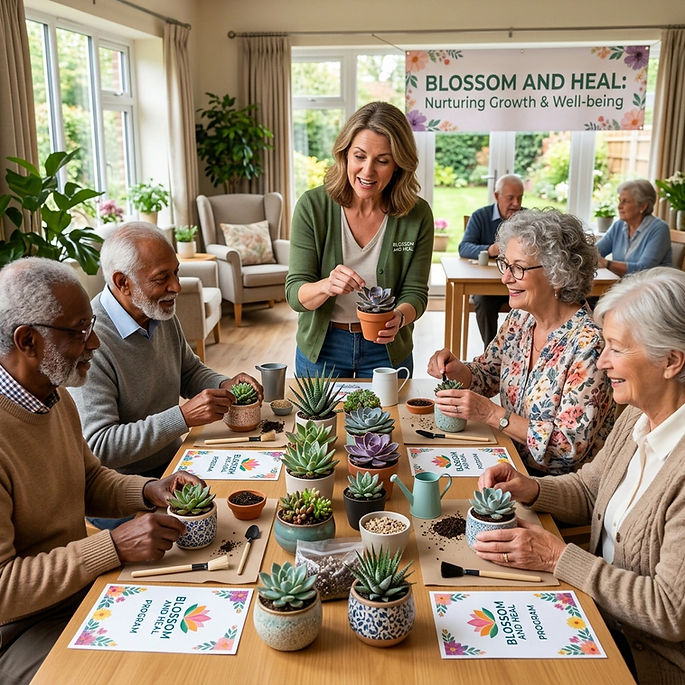
Engage in Plant-Based Activities: Gardening or caring for plants can be incredibly grounding. Watching something grow under your care can mirror your own healing journey, reminding you that growth takes time and patience. Your trauma recovery is in your time, not anyone else’s time, so don’t feel rushed. As I said, this is not a race; it’s a journey. What do I say about journeys? They take time, and what does a process take? Time. So be gentle on yourself while giving yourself grace by being patient with yourself.
By nurturing your environment, you create a sanctuary where your heart can rest and your spirit can mend.
Understanding the Role of Self-Compassion in Healing
One of the most tender gifts we can give ourselves during recovery is self-compassion. Trauma often leaves us with harsh inner critics, but learning to treat ourselves with kindness can soften those voices.
Here’s how to cultivate self-compassion:
Speak to Yourself Gently: Imagine talking to a dear friend who is hurting. Use the same warmth and understanding when you speak to yourself.
Acknowledge Your Feelings: It’s okay to feel pain, anger, or sadness. These emotions are part of your story, not signs of weakness.
Practice Forgiveness: Forgive yourself for any perceived mistakes or setbacks. Healing is not linear, and every step forward counts.
Use Affirmations: Simple phrases like “I am worthy of love and peace” or “I am doing my best” can reframe your mindset over time.
Mindful Self-Care: Take moments to nurture your body and soul — a warm bath, a favorite book, or a quiet moment with a cup of tea.
Self-compassion is like a soft blanket wrapping around you, offering comfort when the world feels cold.

Practical Steps to Integrate Healing into Daily Life
Healing doesn’t have to be a separate, overwhelming task. It can be woven gently into your everyday routine, like sunlight filtering through leaves.
Here are some practical ways to do this:
Start Your Day with Intention: Take a few moments each morning to set a gentle intention. It could be as simple as “Today, I will be kind to myself.”
Use Reminders: Place sticky notes with encouraging words where you’ll see them often — on your mirror, fridge, or computer.
Create a Healing Ritual: This might be lighting a candle, listening to calming music, or practicing a short meditation. Rituals can anchor your day and provide moments of peace.
Limit Overwhelm: Break tasks into small, manageable steps. Celebrate each accomplishment, no matter how small.
Stay Connected: Check in with your support network regularly. Sharing your progress and challenges can lighten your load. Avoid support that has negative things to say, as that can add weight to the load you already carry from the trauma. Everyone is different and heals differently.
By gently integrating these steps, healing becomes a natural part of your life’s rhythm.
Finding Hope and Strength in the Journey Ahead
Healing from trauma is a courageous journey, often filled with ups and downs. But within each step lies the possibility of renewal and growth. Remember, you are not alone. There are communities and resources ready to walk alongside you.
If you ever feel uncertain or overwhelmed, consider exploring trauma and healing resources that offer compassionate guidance and connection. These spaces can be a beacon of hope, reminding you that healing is possible and that your story matters.
Every day, with each breath and choice, you are moving toward a place of greater peace and resilience. Like a river carving its path through stone, your strength flows quietly but powerfully.
May you find gentle moments of calm, the warmth of support, and the courage to keep moving forward.
You are worthy of healing, and your journey is a testament to your incredible strength.


Comments