Enhance Your Well-Being with Mindfulness Exercises and Practices

There’s a gentle power in simply being present. When life feels overwhelming or the past shadows our thoughts, mindfulness offers a soft landing. It invites us to pause, breathe, and reconnect with the moment we’re in. Over time, this simple act can blossom into a profound source of peace and healing. I’ve found that embracing mindfulness exercises and practices has been like planting seeds in a quiet garden within myself—seeds that grow resilience, calm, and clarity. If you’re ready to nurture your well-being, let’s explore how mindfulness can gently guide you there.
Embracing Mindfulness Exercises and Practices for Everyday Peace
Mindfulness isn’t about emptying your mind or escaping reality. Instead, it’s about welcoming whatever is happening right now with kindness and curiosity. Imagine sitting by a calm lake, watching ripples dance on the surface. That’s the kind of gentle attention mindfulness encourages—observing thoughts and feelings without judgment, like watching clouds drift by.
Here are some simple mindfulness exercises and practices you can try:
Breath Awareness: Sit comfortably and focus on your breath. Feel the air entering your nose, filling your lungs, and then slowly leaving your body. When your mind wanders, gently bring it back to your breath.
Body Scan: Close your eyes and slowly bring attention to each part of your body, starting from your toes and moving up to your head. Notice any sensations, tension, or warmth without trying to change anything.
Mindful Walking: Take a slow walk outside. Feel the ground beneath your feet, notice the colors around you, the sounds in the air, and the rhythm of your steps.
Five Senses Exercise: Pause and name five things you can see, four you can touch, three you can hear, two you can smell, and one you can taste. This anchors you in the present moment.
These practices are like gentle waves washing over the shore, gradually smoothing the rough edges of stress and worry. They don’t require special equipment or a lot of time—just your willingness to be present.

What are the seven pillars of mindfulness?
Understanding the foundation of mindfulness can deepen our practice and help us cultivate it more fully. The seven pillars of mindfulness offer a framework that supports our journey toward well-being:
Non-judging: Observing experiences without labeling them as good or bad.
Patience: Allowing things to unfold in their own time.
Beginner’s Mind: Seeing things as if for the first time, with openness and curiosity.
Trust: Believing in yourself and your feelings.
Non-striving: Letting go of the need to achieve or fix anything.
Acceptance: Embracing things as they are in the present moment.
Letting Go: Releasing attachment to thoughts, emotions, or outcomes.
Each pillar acts like a sturdy branch supporting the tree of mindfulness. When we lean into these qualities, we create a safe space within ourselves where healing and growth can take root. For those of us navigating recovery or trauma, these pillars offer gentle reminders that it’s okay to be exactly where we are.
How Mindfulness Supports Healing and Recovery
Healing is rarely a straight path. It’s more like a winding trail through a forest, sometimes bright and clear, other times shadowed and uncertain. Mindfulness helps us walk this path with more grace and less fear. When we practice mindfulness, we learn to sit with discomfort instead of running from it. This doesn’t mean we invite pain to stay, but rather that we acknowledge it without letting it control us.
For example, when difficult memories or cravings arise, mindfulness allows us to observe these sensations as passing clouds rather than permanent storms. This shift in perspective can reduce anxiety and create space for new, healthier responses.
In my own experience, mindfulness has been a gentle companion during tough moments. It’s like a soft blanket that wraps around me, reminding me that I am safe and capable of moving forward. Incorporating mindfulness into daily routines—whether through meditation, mindful eating, or simply pausing to breathe—can build resilience and foster a deeper connection to ourselves and others.
Practical Tips to Integrate Mindfulness into Your Daily Life
Starting a mindfulness practice doesn’t have to feel overwhelming. Here are some nurturing ways to weave mindfulness into your day:
Set a Gentle Reminder: Use a phone alarm or sticky note to remind yourself to pause and breathe a few times a day.
Create a Mindful Space: Dedicate a cozy corner with cushions, plants, or candles where you can sit quietly for a few minutes.
Mindful Eating: Slow down during meals. Notice the colors, textures, and flavors of your food. Chew slowly and savor each bite.
Use Nature as a Guide: Spend time outside, observing the rhythm of the wind, the warmth of the sun, or the scent of flowers.
Journaling: After mindfulness practice, jot down any thoughts or feelings that arise. This can deepen your awareness and track your progress.
Remember, mindfulness is a practice, not a perfect performance. Some days will feel easier than others, and that’s perfectly okay. The key is to approach yourself with the same kindness you would offer a dear friend.

If you’re curious to explore more, there are many mindfulness techniques available online that can guide you through different approaches. Finding what resonates with you is part of the journey.
Cultivating a Mindful Community for Support and Growth
One of the most beautiful aspects of mindfulness is how it can connect us—not just to ourselves, but to others. Healing often blossoms in community, where shared experiences and gentle encouragement create a safe harbor. Whether it’s joining a meditation group, attending a workshop, or simply sharing your mindfulness journey with a trusted friend, these connections can deepen your practice and provide comfort.
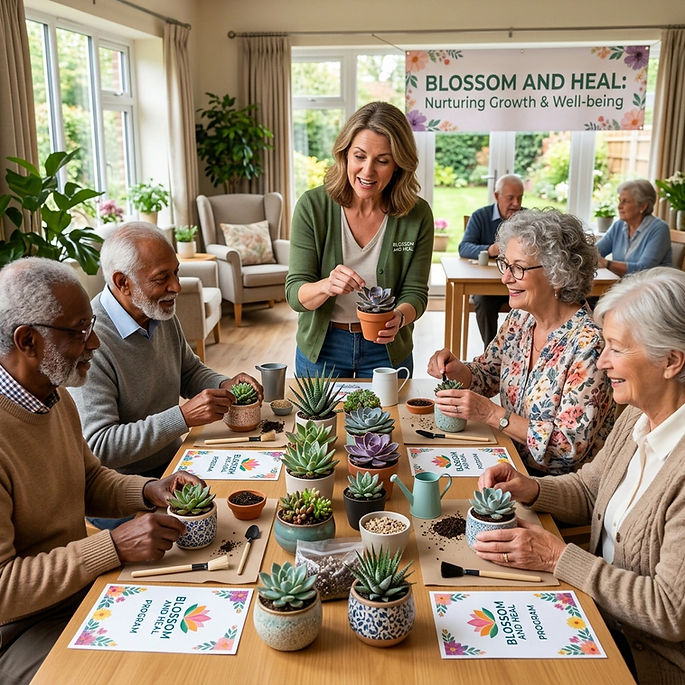
At Blossom and Heal, the vision is to nurture such spaces—places where people impacted by addiction and trauma can find peace, purpose, and plant-based activities that nourish both body and soul. Mindfulness becomes a thread weaving through these experiences, reminding us that we are not alone.
As we cultivate mindfulness together, we create a garden of hope and healing. Each mindful breath, each moment of presence, is a step toward blossoming into the fullest version of ourselves.
May your journey with mindfulness be gentle and kind, unfolding like the petals of a flower opening to the morning sun. Remember, every moment is an opportunity to come home to yourself.


Comments