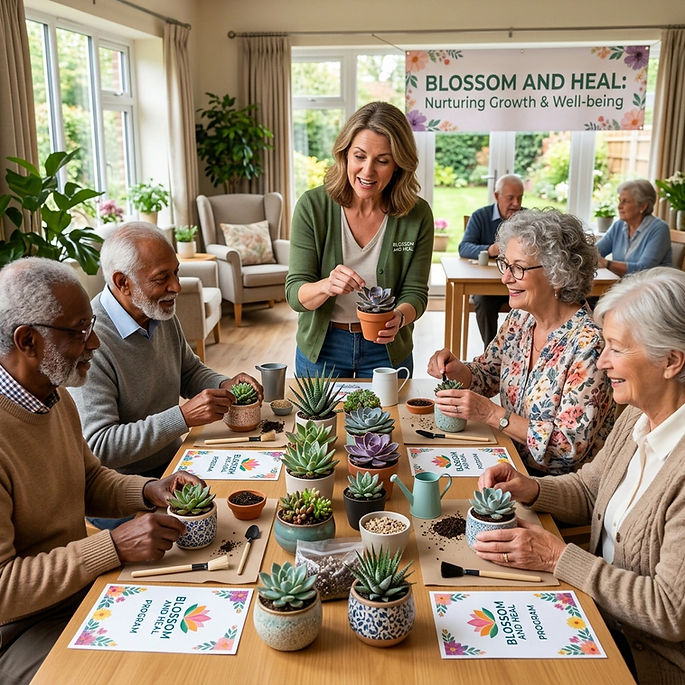
Embracing Gardening Therapy Benefits: A Gentle Path to Mental Wellness

There is something quietly magical about sinking your hands into the earth, feeling the cool soil crumble between your fingers, and watching a tiny seed sprout into a vibrant bloom. Gardening is more than just a hobby or a way to beautify our surroundings - it is a nurturing practice that can gently heal the mind and soothe the soul. Over time, I have discovered how gardening therapy benefits extend far beyond the garden bed, offering a sanctuary of calm, hope, and renewal.
Discovering the Gardening Therapy Benefits for Mental Wellness
When life feels overwhelming, and the weight of past trauma or recovery challenges presses down, gardening can become a soft refuge. The act of tending plants invites us to slow down, breathe deeply, and reconnect with the present moment. This mindful engagement helps ease anxiety and depression by grounding us in the rhythms of nature.
Some of the most profound gardening therapy benefits include:
Stress reduction: The repetitive motions of planting, watering, and pruning create a meditative flow that calms the nervous system.
Improved mood: Exposure to sunlight boosts serotonin levels, lifting spirits naturally.
Sense of accomplishment: Watching plants grow nurtures feelings of pride and purpose.
Connection to life cycles: Gardening teaches patience and acceptance as we witness growth, decay, and renewal.
Physical activity: Gentle movement promotes overall well-being and releases endorphins.
By embracing these benefits, we open a door to healing that feels both accessible and deeply personal.

How Gardening Creates a Safe Space for Healing
In my own journey, I have found that gardening offers a unique kind of safety. The garden becomes a quiet companion, a place where judgment fades and self-compassion grows. This safe space nurtures healing in several ways:
Nonverbal expression: Plants respond to care and attention, allowing us to communicate feelings without words.
Routine and structure: Daily gardening tasks provide gentle routines that foster stability.
Sensory engagement: The textures, colors, and scents of plants stimulate the senses, grounding us in the here and now.
Social connection: Community gardens or shared spaces invite supportive interactions, reducing isolation.
Creating a garden, even a small one, can be a powerful act of reclaiming control and cultivating hope. It reminds us that growth is possible, even after hardship.
Practical Tips to Begin Your Gardening Journey
Starting a garden might feel intimidating, especially if you’re new to it or managing mental health challenges. But the beauty of gardening therapy is that it can be tailored to your needs and space. Here are some gentle steps to help you begin:
Start small: Choose a few easy-to-care-for plants like herbs or succulents.
Create a comfortable space: Find a sunny spot with seating where you can relax and observe.
Set simple goals: Focus on daily or weekly tasks that feel manageable.
Use sensory elements: Incorporate fragrant flowers or textured leaves to engage your senses.
Celebrate progress: Take photos or keep a journal to track your garden’s growth and your feelings.
Remember, gardening is not about perfection but about connection and care. Each small step is a victory.

The Science Behind Gardening for Mental Health
It’s comforting to know that the benefits of gardening are supported by science. Studies have shown that spending time in nature and engaging in gardening activities can:
Lower cortisol levels, reducing stress hormones.
Increase serotonin and dopamine, improving mood and motivation.
Enhance cognitive function and memory.
Promote mindfulness and reduce rumination.
Support recovery from trauma by fostering resilience.
For those seeking gentle ways to support mental wellness, gardening for mental health offers a natural, accessible path. The combination of physical activity, sensory stimulation, and nurturing care creates a holistic approach to healing that complements other therapies.
Cultivating Hope and Growth Every Day
As I tend my garden, I am reminded that healing is a journey, not a destination. Each new leaf unfurling, each flower blooming, is a quiet testament to resilience and renewal. Gardening therapy benefits extend beyond the plants themselves - they touch our hearts and minds, encouraging us to grow alongside them.
If you are looking for a gentle, nurturing way to support your mental wellness, consider planting your own garden of hope. Whether it’s a window box, a backyard patch, or a community plot, the simple act of caring for living things can bring peace, purpose, and connection.
Together, let’s cultivate spaces where healing can take root and blossom.
Thank you for joining me in exploring the gentle power of gardening therapy benefits. May your journey be filled with light, growth, and quiet joy.


Comments