Embracing Gardening Therapy Benefits: A Gentle Path to Mental Wellness

There is something quietly magical about sinking your hands into the earth, feeling the cool soil crumble between your fingers, and watching tiny green shoots emerge from the ground. Gardening is more than just a hobby or a way to beautify a space—it is a nurturing practice that can gently heal the mind and soothe the soul. Over time, I have discovered how gardening therapy benefits extend far beyond the physical act of planting and tending. It offers a sanctuary for mental wellness, especially for those of us seeking peace after trauma or during recovery.
The Healing Power of Gardening Therapy Benefits
When life feels overwhelming, gardening can become a soft refuge—a place where worries seem to melt away with the morning dew. The simple rhythm of planting seeds, watering, and watching growth unfold invites mindfulness and presence. This connection to nature helps ground us, reminding us that growth is a process, often slow but steady.
Research supports what many gardeners intuitively know: spending time with plants can reduce stress, anxiety, and symptoms of depression. The act of caring for living things fosters a sense of purpose and accomplishment. Even on days when motivation feels scarce, the garden patiently waits, offering a gentle nudge to keep going.
Here are some of the key mental health benefits I’ve experienced and witnessed in others through gardening therapy:
Stress Reduction: The repetitive tasks and sensory engagement calm the nervous system.
Improved Mood: Exposure to sunlight boosts serotonin, the “feel-good” hormone.
Enhanced Focus: Gardening encourages mindfulness, helping to quiet racing thoughts.
Sense of Achievement: Watching plants grow nurtures self-esteem and hope.
Social Connection: Community gardens create safe spaces for sharing and support.

The gentle touch of nature’s growth can soothe a restless mind.
How Gardening Connects Us to Ourselves and the Present Moment
One of the most profound gifts of gardening is how it invites us to slow down and be present. When I kneel beside a bed of soil, I become aware of the textures, smells, and colors around me. The scent of earth after rain, the soft rustle of leaves, and the warmth of the sun on my skin create a sensory tapestry that pulls me into the here and now.
This sensory immersion is a form of mindfulness, a practice known to ease anxiety and depression. Instead of being caught in the whirlwind of past regrets or future worries, gardening helps me anchor myself in the present moment. It’s like a gentle meditation, where each task—whether planting a seed or pruning a branch—becomes a mindful act of care.
If you’re new to gardening, start small. Choose a few easy-to-grow plants or herbs. Spend a few minutes each day simply observing and tending to them. Notice how this simple ritual can create pockets of calm in your day.
Practical Tips to Begin Your Own Gardening Journey
Starting a garden might feel intimidating, especially if you’re navigating mental health challenges. But the beauty of gardening therapy is that it can be adapted to fit your needs and space. Here are some gentle steps to help you begin:
Choose Your Space: Whether it’s a sunny windowsill, a balcony, or a small backyard patch, find a spot that feels inviting.
Select Easy Plants: Herbs like basil, mint, or parsley, and flowers like marigolds or sunflowers are forgiving and rewarding.
Gather Simple Tools: A small trowel, watering can, and gloves are enough to get started.
Set Realistic Goals: Aim for short, manageable sessions—10 to 15 minutes a day can make a difference.
Create a Routine: Try to tend your plants at the same time daily to build a comforting habit.
Celebrate Small Wins: Every sprout and bloom is a victory worth acknowledging.
Remember, gardening is not about perfection. It’s about connection, patience, and nurturing life—both outside and within.

Starting with simple herbs can bring a sense of accomplishment and joy.
Embracing Gardening for Mental Health as a Supportive Practice
In my journey, I found that gardening for mental health is a powerful complement to other healing practices. It offers a non-judgmental space where emotions can be expressed and processed naturally. The garden becomes a metaphor for our own growth—sometimes slow, sometimes messy, but always moving forward.
For those recovering from trauma or addiction, gardening can provide structure and a sense of control. It encourages self-compassion, reminding us that growth takes time and setbacks are part of the process. The tactile experience of gardening also helps ground us when emotions feel overwhelming.
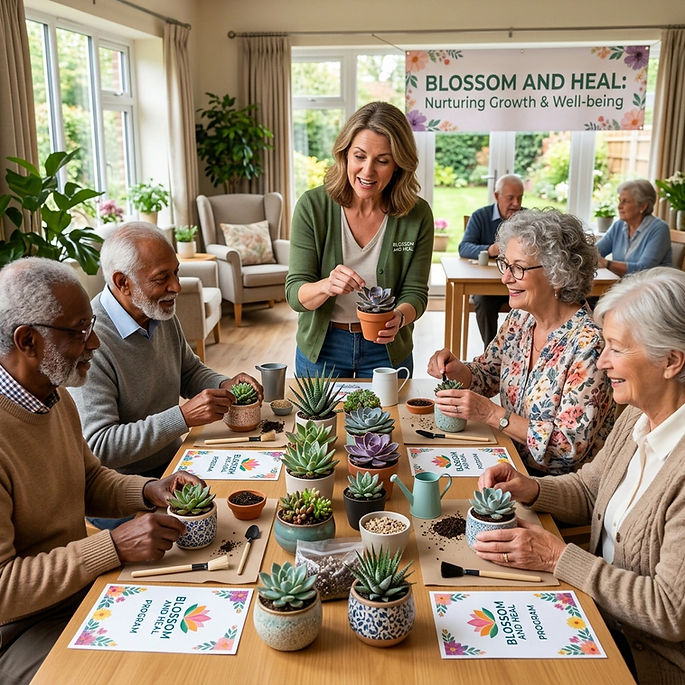
If you’re part of a community or support group, consider joining or starting a gardening circle. Sharing this experience with others can deepen connections and create a shared sense of hope and renewal.
Nurturing Hope and Resilience Through Gardening
As seasons change, so do we. Gardening teaches us resilience—the ability to adapt, recover, and flourish despite challenges. Watching a seedling push through the soil after a storm is a powerful reminder that life persists, even in difficult times.
I encourage you to see your garden as a living journal of your healing journey. Each plant’s progress reflects your own steps toward wellness. When days feel heavy, returning to your garden can rekindle a sense of purpose and joy.
Let the garden be a place where you can breathe deeply, feel the sun’s warmth, and reconnect with the simple beauty of life. In this nurturing space, healing is not just possible—it is blossoming.
Gardening therapy benefits are a gentle invitation to care for yourself with kindness and patience. Whether you have a sprawling backyard or a single pot on a windowsill, the garden is waiting to welcome you with open arms. Together, let’s cultivate peace, hope, and resilience—one seed at a time.


Comments